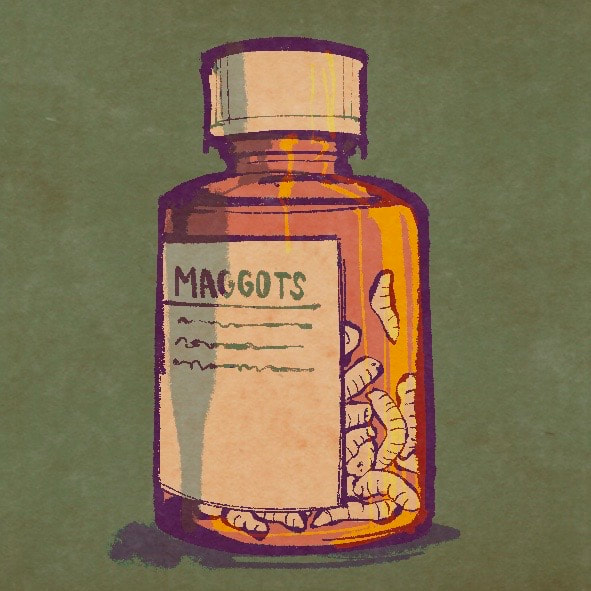
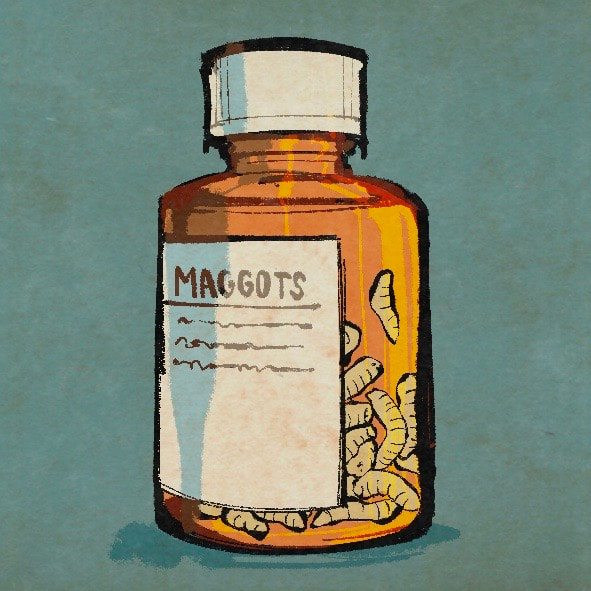
WEEK 1 - Conceptual Editorial
Creating illustration in response to the written word is possibly the most common form of illustration, with editorial illustration being, for many, their first foray into producing commissioned work. A conceptual approach is particularly valuable in editorial illustration as it is a good way of generating interest in an article's subject without revealing too much to the would-be reader. Conceptual illustration is also very good at capturing the essence of abstract ideas and concepts which are impossible to depict literally.
Requirement:
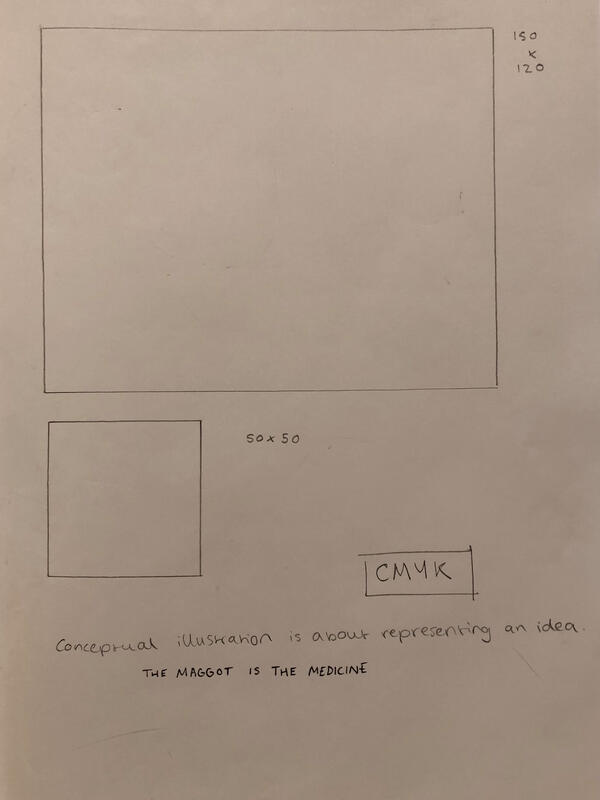
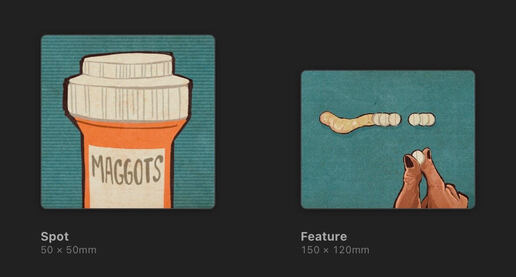
1 × feature illustration (150 × 120mm)
1 × spot illustration (50 × 50mm)
(Both CMYK)
MY ARTICLE: https://www.theguardian.com/business/2023/jan/22/breeding-maggots-heal-wounds-welsh-firm-biomonde
- Understanding. First things first. Do you understand your article? To illustrate is to speak clearly - can't do that if you're unsure what you're saying. Multiple readings are a must and additional reading is nearly always needed.
- Idea thumbnails. It's not about an endless stream of ideas, it's about developing GOOD ideas
- Consideration of style / approach. It's not just an illustrator's job to decide what elements /objects / characters exist within the frame. It also needs to decided how they will be created and what visual tone / style is best suited. As you develop your own unique approaches to illustration this part of the equation is less of a consideration and more instinctual, but I'm not there yet.
- Conceptual illustration. Exploring the idea that illustrations are either conceptual or literal (and in this case, conceptual).
Requirement:
1 × feature illustration (150 × 120mm)
1 × spot illustration (50 × 50mm)
(Both CMYK)
MY ARTICLE: https://www.theguardian.com/business/2023/jan/22/breeding-maggots-heal-wounds-welsh-firm-biomonde
- Understanding. First things first. Do you understand your article? To illustrate is to speak clearly - can't do that if you're unsure what you're saying. Multiple readings are a must and additional reading is nearly always needed.
- Idea thumbnails. It's not about an endless stream of ideas, it's about developing GOOD ideas
- Consideration of style / approach. It's not just an illustrator's job to decide what elements /objects / characters exist within the frame. It also needs to decided how they will be created and what visual tone / style is best suited. As you develop your own unique approaches to illustration this part of the equation is less of a consideration and more instinctual, but I'm not there yet.
- Conceptual illustration. Exploring the idea that illustrations are either conceptual or literal (and in this case, conceptual).
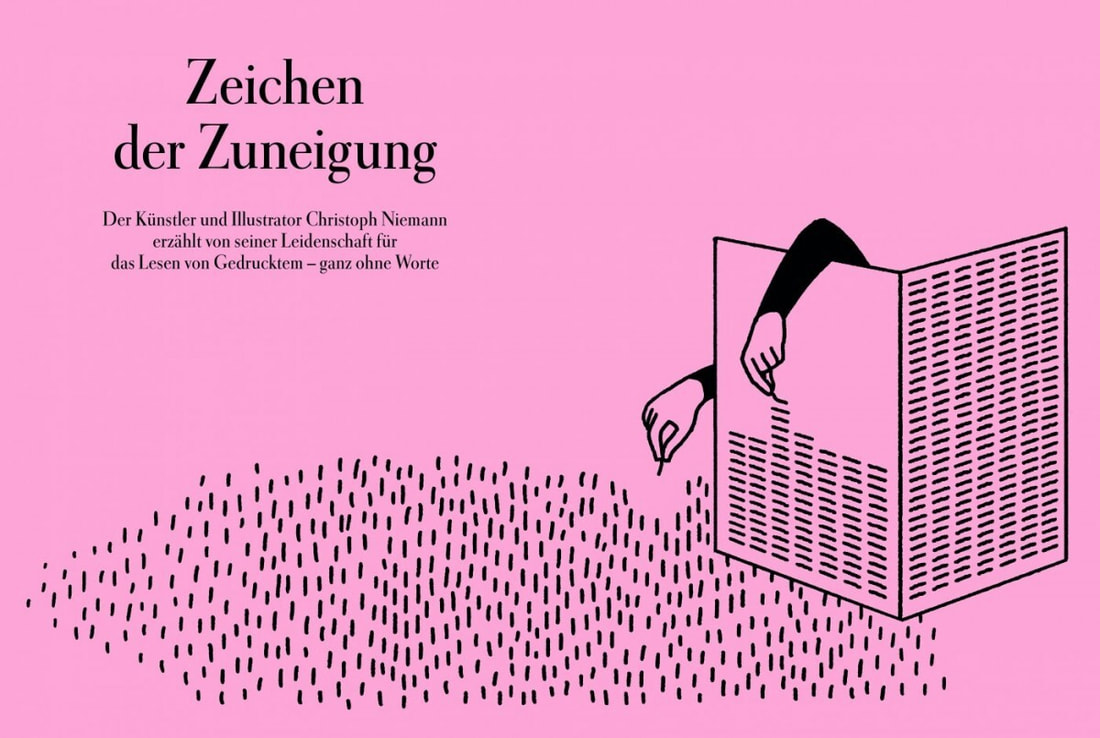
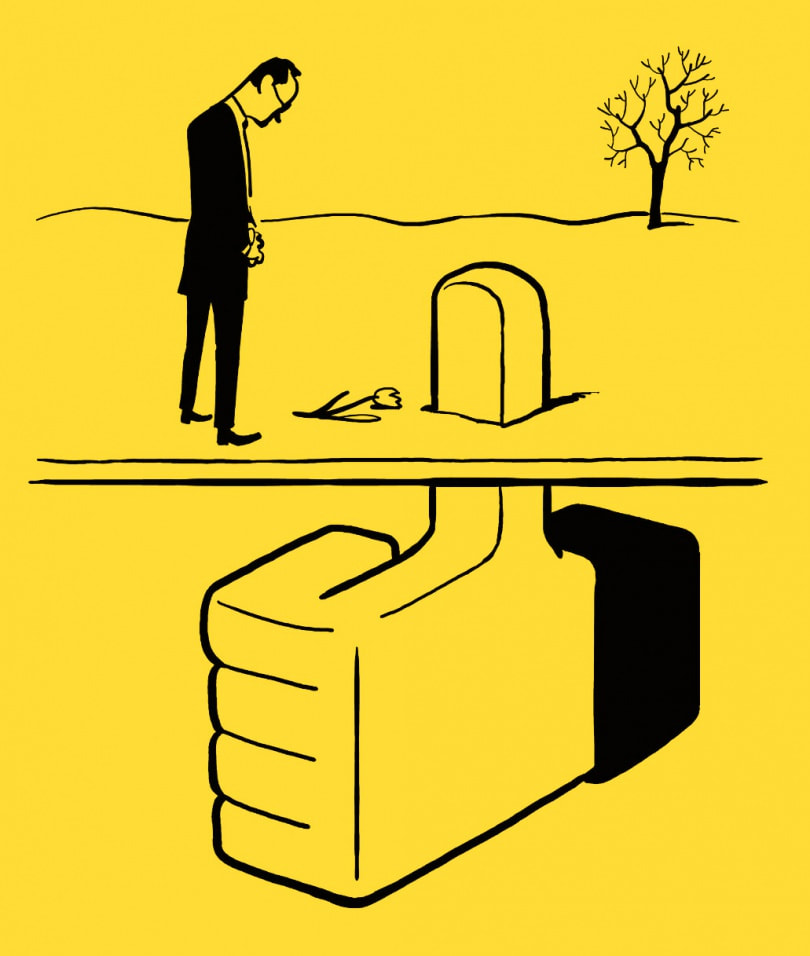
Examples of conceptual editorial illustration by Christoph Neimann



STEP 1 - Research
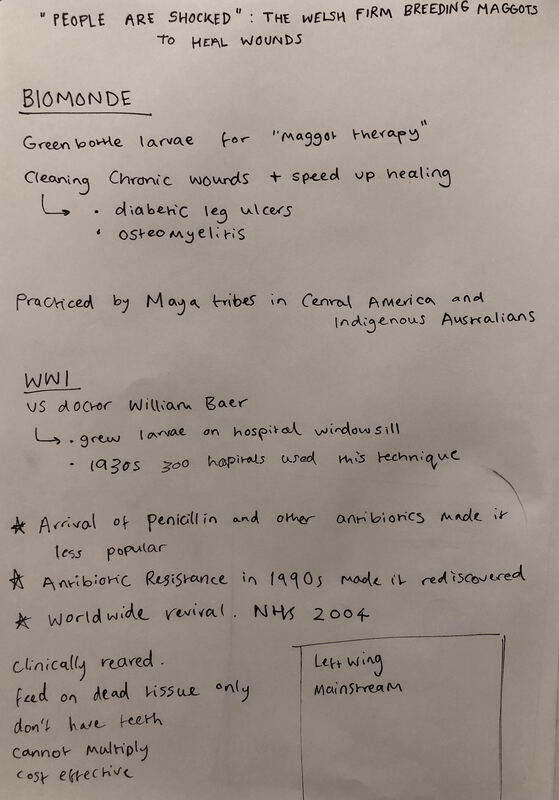
This does not mean looking at some editorial illustration, it does mean researching the subject of your article and, to a lesser extent, the source of the article and it's audience. (Try to think of the illustration's use - in this case editorial - as the vehicle that will carry the work, simply the surface it will adorn, and not the subject. The subject here is whatever your article is about).
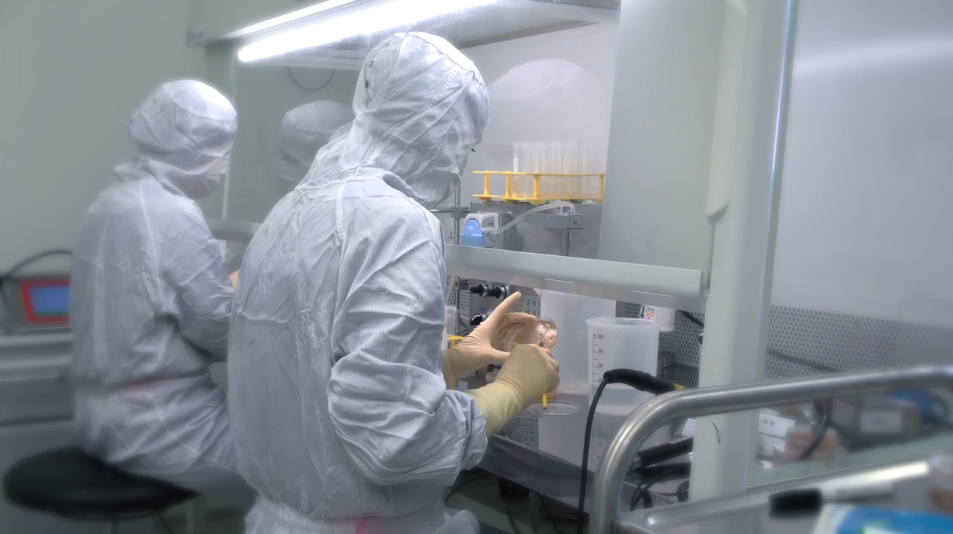
Maggot Therapy
|
|
|
|
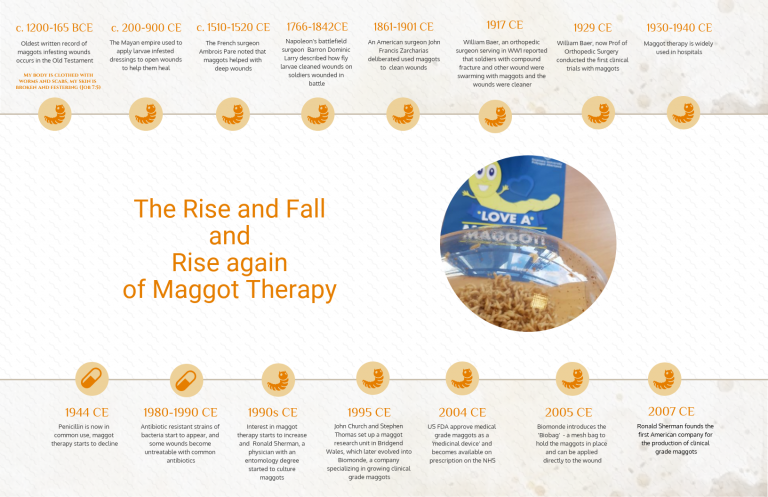

| awtvnf-larval-debridement-therapy.pdf |
"How does larval therapy work? The processes by which larvae clean wounds are very complex, but in simple terms they physically feed on dead tissue and release special chemicals into the wound that breakdown dead tissue into a liquid form that the larvae can easily remove and digest. During this process the actively feeding larvae also take up bacteria, which are then destroyed within their gut. This process is so effective that larvae can often clean a wound within a few days."

The Guardian
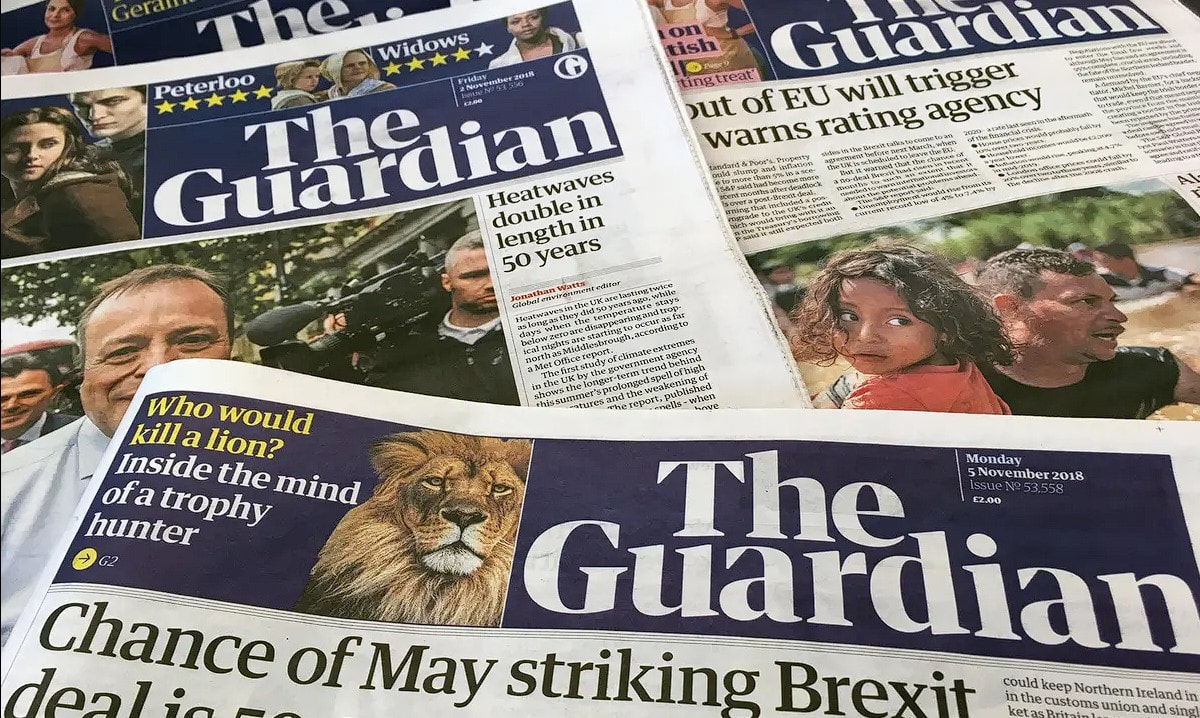
- Centre/Left
- Target audience: educated, affluent, digitally-savvy, liberal.
- Topics: politics, the environment, science, social justice, sport and culture.
- Target audience: educated, affluent, digitally-savvy, liberal.
- Topics: politics, the environment, science, social justice, sport and culture.
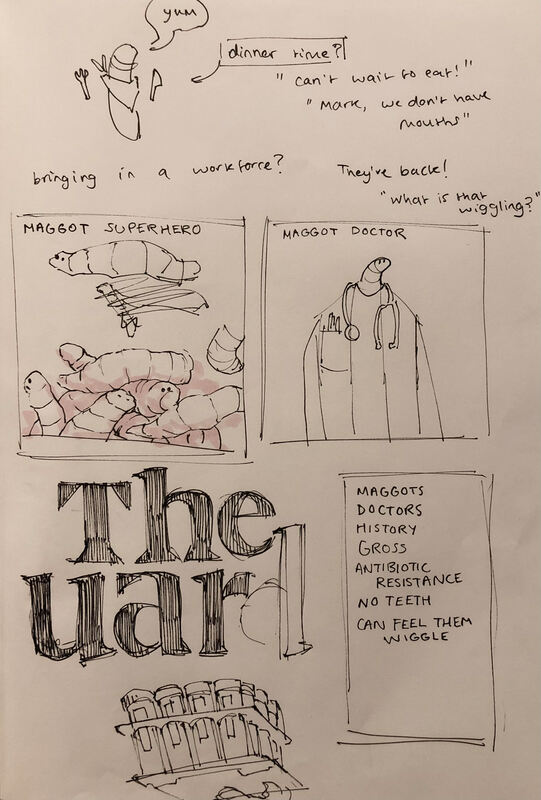
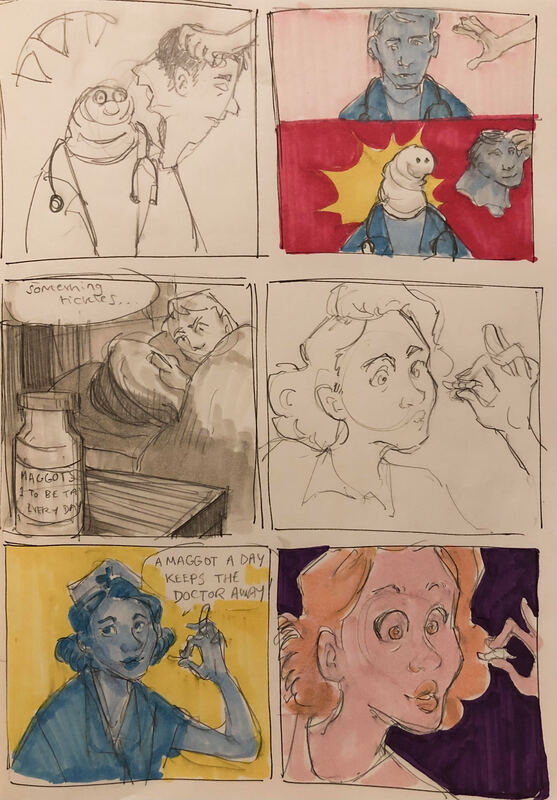
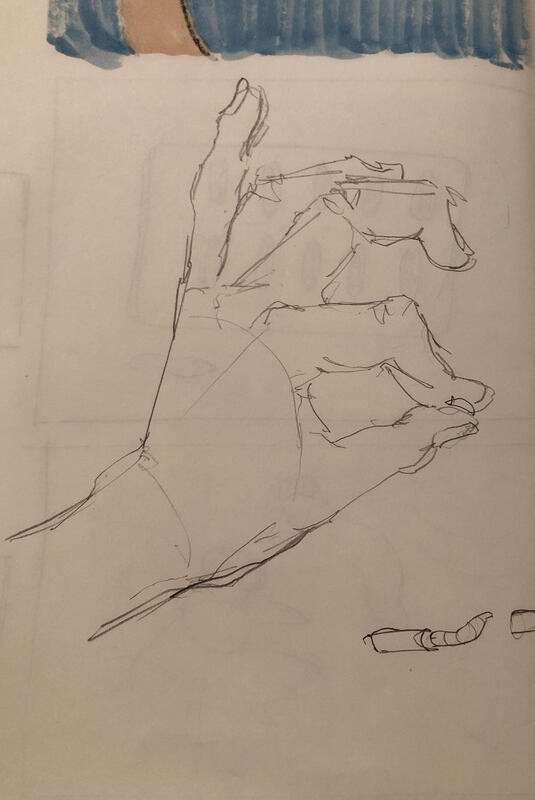
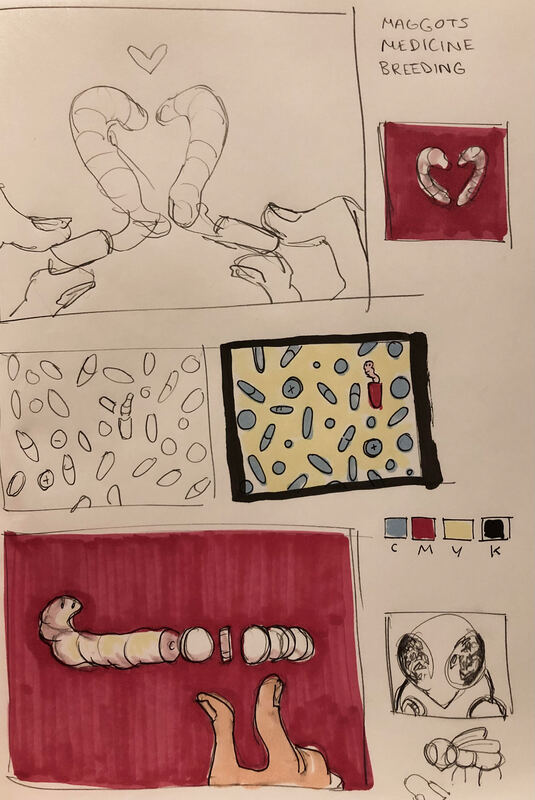
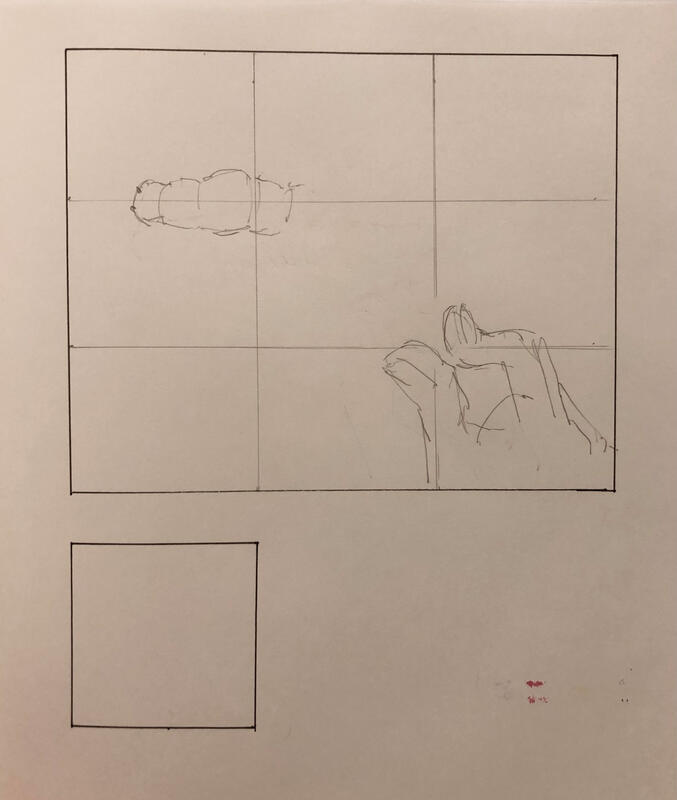
STEP 2 - Ideas Generation and Refinement
This is the stage that most of you under utilise and is the stage where most of the work and most of the decision making should take place. If you find yourself having to fix problems or make significant decisions whilst producing your final work, it's because you've progressed from this stage too early.






STEP 3 - Process
What methods will you utilise in the creation of your artwork? Consider projects as the place to show off your skills, not to acquire them.
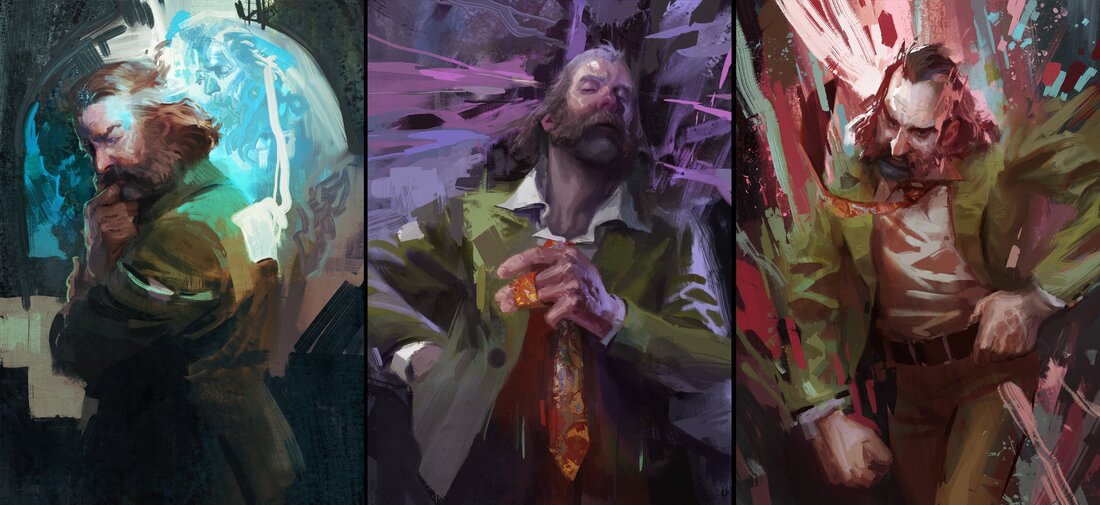
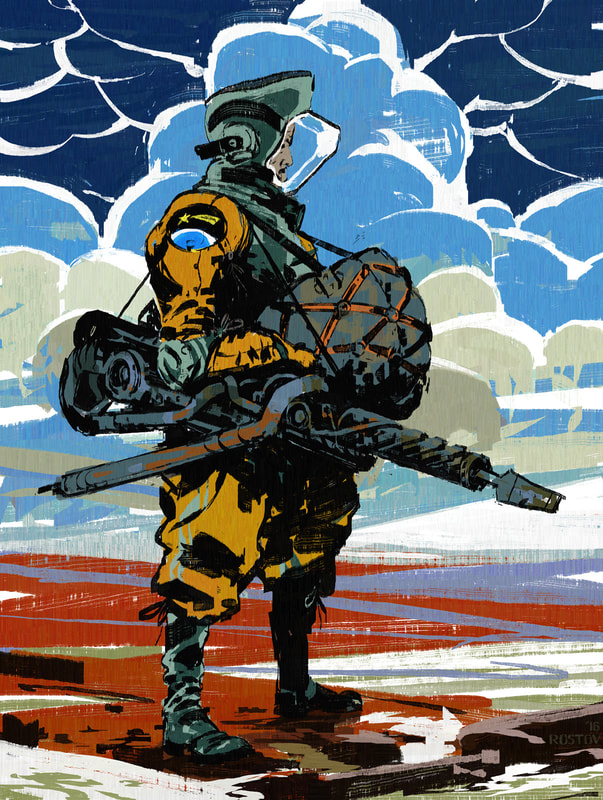
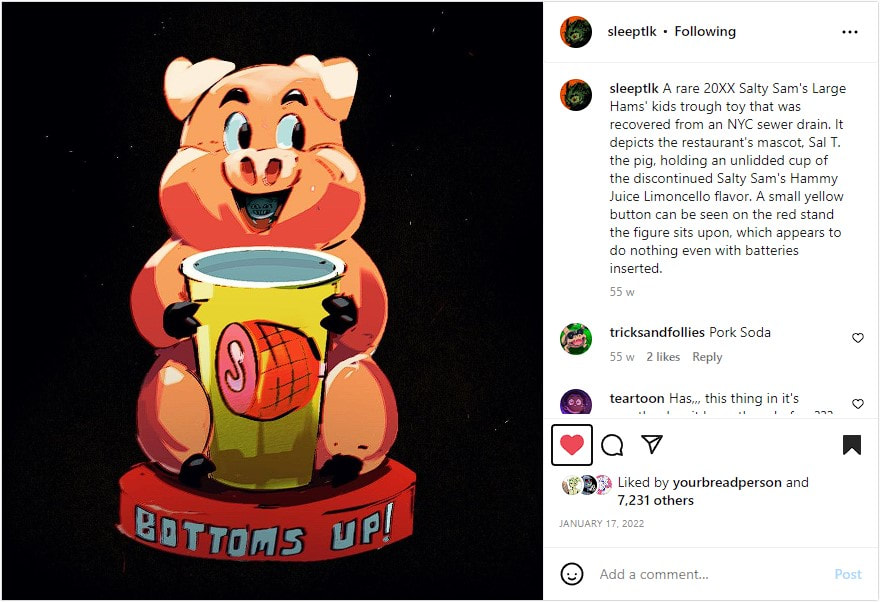
Current Inspirations
Aleksander Rostov




@sleeptlk
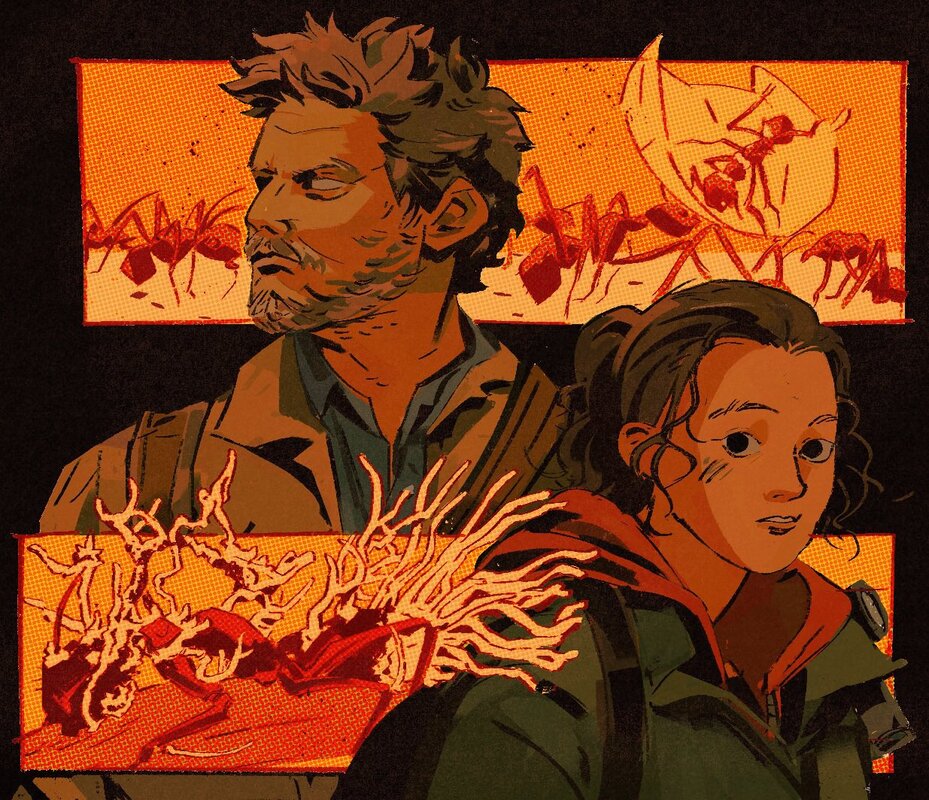

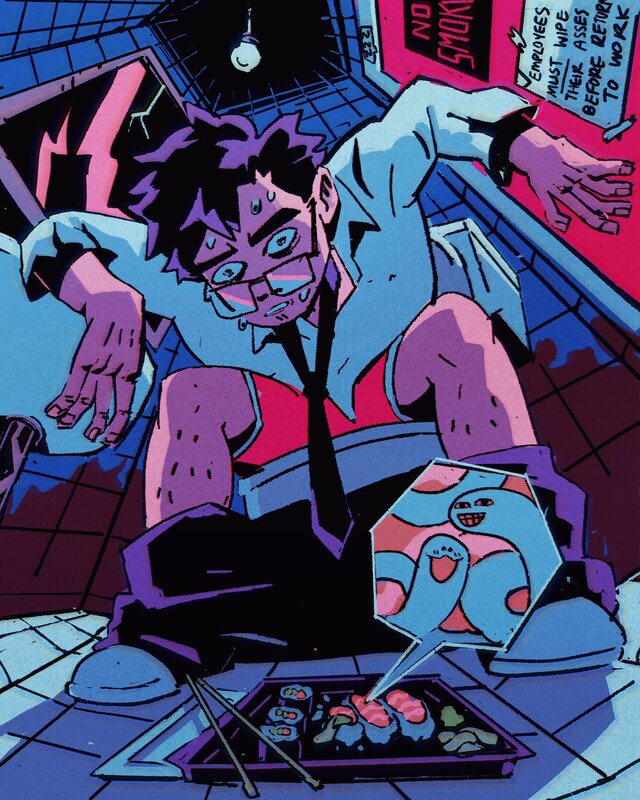
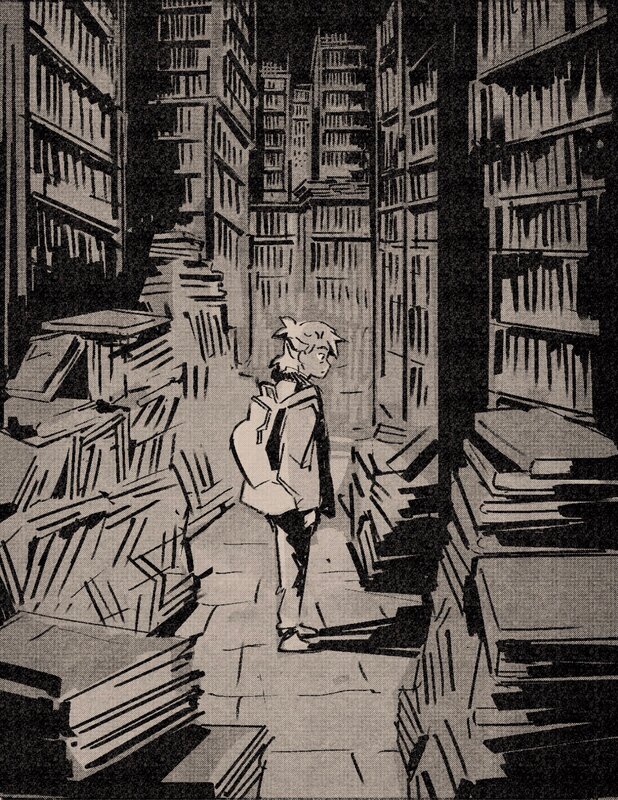
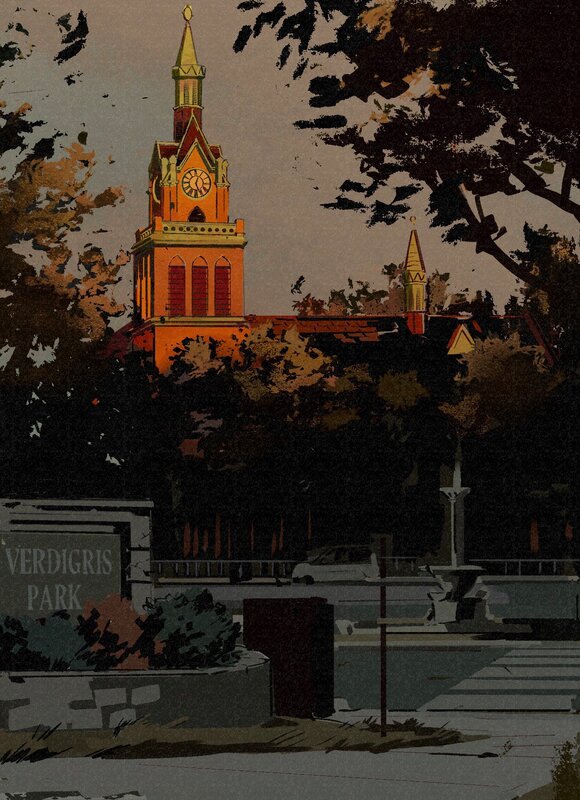

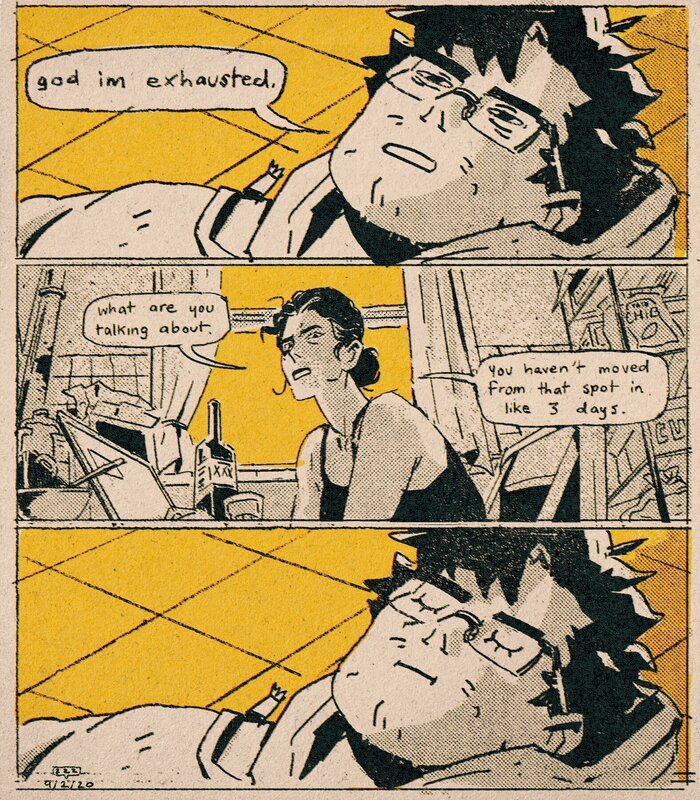

my study of their work

STEP 4 - Outcome
How well your outcome responds to the brief is largely dictated by how well you've tackled the previous 3 stages.
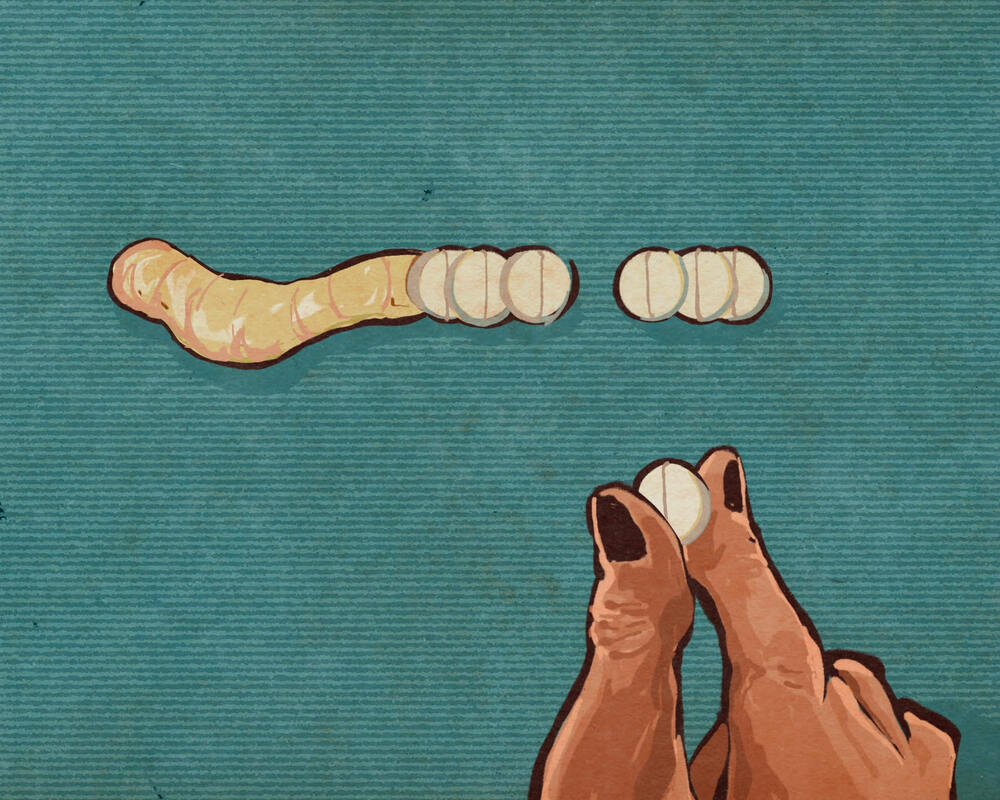

AFTER FEEDBACK
It is important in editorial illustration to be as clear as possible in what you are depicting. I received helpful feedback from tutors on how to make my images more successful and more legible to the viewer.



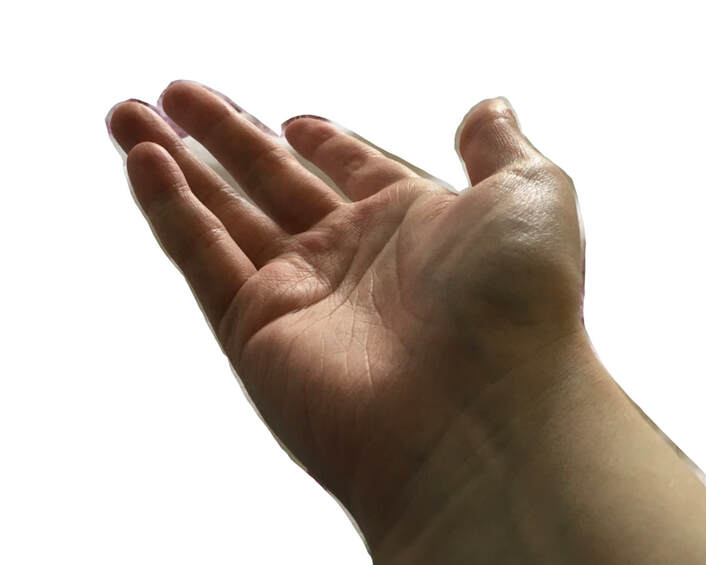
I experimented with a different colour palette but decided I did not like it more.